
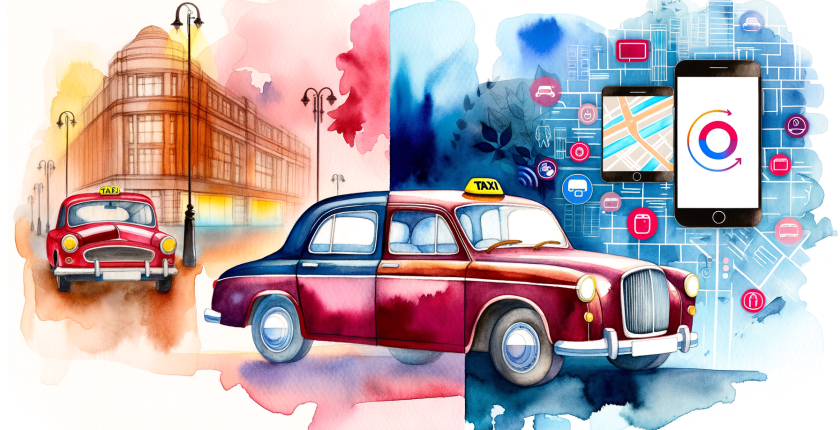
Legacy Taxi Operators vs Ride-Hailing Apps
The landscape of urban transportation is undergoing a seismic shift as legacy taxi operations encounter formidable competition from ride-hailing applications like Uber and Bolt. Once the undisputed kings of urban mobility, traditional taxi services now find themselves grappling with the innovator’s dilemma. As the last of the taxi roof lights flicker out across Europe and beyond, the question looms large: Can these legacy taxi operators adapt to the challenges posed by digital disruption, or will they succumb to the forces of change?
The Rise of Ride-Hailing Apps
Ride-hailing apps have revolutionized the way people move around cities, offering unparalleled convenience, real-time tracking, and competitive pricing. Platforms like Uber and Bolt have seen explosive growth, rapidly expanding their market shares in cities around the world. Their success is attributed to several factors:
- User-friendly Interfaces: Simple, intuitive apps make booking rides easy and efficient.
- Dynamic Pricing Models: Competitive fares that adjust to demand encourage more frequent usage.
- Driver Flexibility: Drivers appreciate the freedom to work according to their own schedules.
- Real-time Feedback: Ratings systems ensure accountability and improve service quality.
The traditional taxi business model, which relied heavily on dispatch centers, predictable pricing, and regulated market structures, is increasingly seen as outdated and rigid.
The Challenges Facing Legacy Taxi Operators
Legacy taxi operators, often steeped in decades of tradition, are grappling with numerous challenges in this new digital age. Some of the key issues include:
- Technological Lag: Many traditional taxi services lack the technological infrastructure to compete with digital platforms.
- Regulatory Constraints: Unlike ride-hailing companies, taxis are subject to strict regulations, impacting their ability to adapt quickly.
- Driver Retention: As drivers shift to more flexible and profitable ride-hailing services, taxi operators struggle to maintain their staff.
- Customer Preferences: Modern consumers value the convenience and pricing competition offered by ride-hailing apps.
Innovative Strategies for Competing
Despite these substantial challenges, there are strategies that legacy taxi operators can employ to stay relevant and competitive:
Technological Advancement
Embracing technology is pivotal. Many taxi companies are developing their own apps to manage bookings, provide tracking, and offer payment solutions. By creating a seamless digital experience, taxis can reclaim some of their lost market share.
Leveraging Local Knowledge
Unlike global apps, local taxi operators have an intimate understanding of the area. They can incorporate this knowledge to offer a personalized service that global platforms can’t match, such as specialized tourist services or bespoke route planning for regular commuters.
Building Alliances
Strategic partnerships with tech companies or even collaborations with ride-hailing platforms could enhance service offerings. For instance, allowing taxi bookings through a ride-hailing app could integrate both services, offering customers a broader range of options.
Focusing on Unmet Needs
Traditional taxis can focus on areas that ride-hailing apps might under-serve, such as accessible travel for people with disabilities, offering better child-seating options, or securing high-occupancy vehicles for larger groups.
The Future of Urban Mobility
The competition between legacy taxi operators and ride-hailing platforms is shaping the future of urban mobility. As cities continue to grow and consumer expectations evolve, the landscape will likely see further transformations. This ongoing transition presents both challenges and opportunities for all stakeholders.
While the ride-hailing giants show no signs of slowing down, there remains a space for traditional taxis in the transport ecosystem—provided they can adapt swiftly and innovatively. The journey towards integrating these services into a more sustainable, efficient urban transport system awaits.